Enhance Your Surroundings: The Influence of Premier Architectural Design Expertise
Professional architectural design services play a vital part in reshaping environments. Such solutions blend utility with artistic expression, guaranteeing that every project fulfills both functional requirements and aesthetic expectations. Designers utilize cutting-edge methods and eco-friendly approaches, adapting their creations to fulfill local needs. Still, a great number of people are uninformed about how these solutions can reveal the hidden possibilities within their spaces. Exploring the multifaceted advantages of engaging an architect reveals insights that could redefine any space.
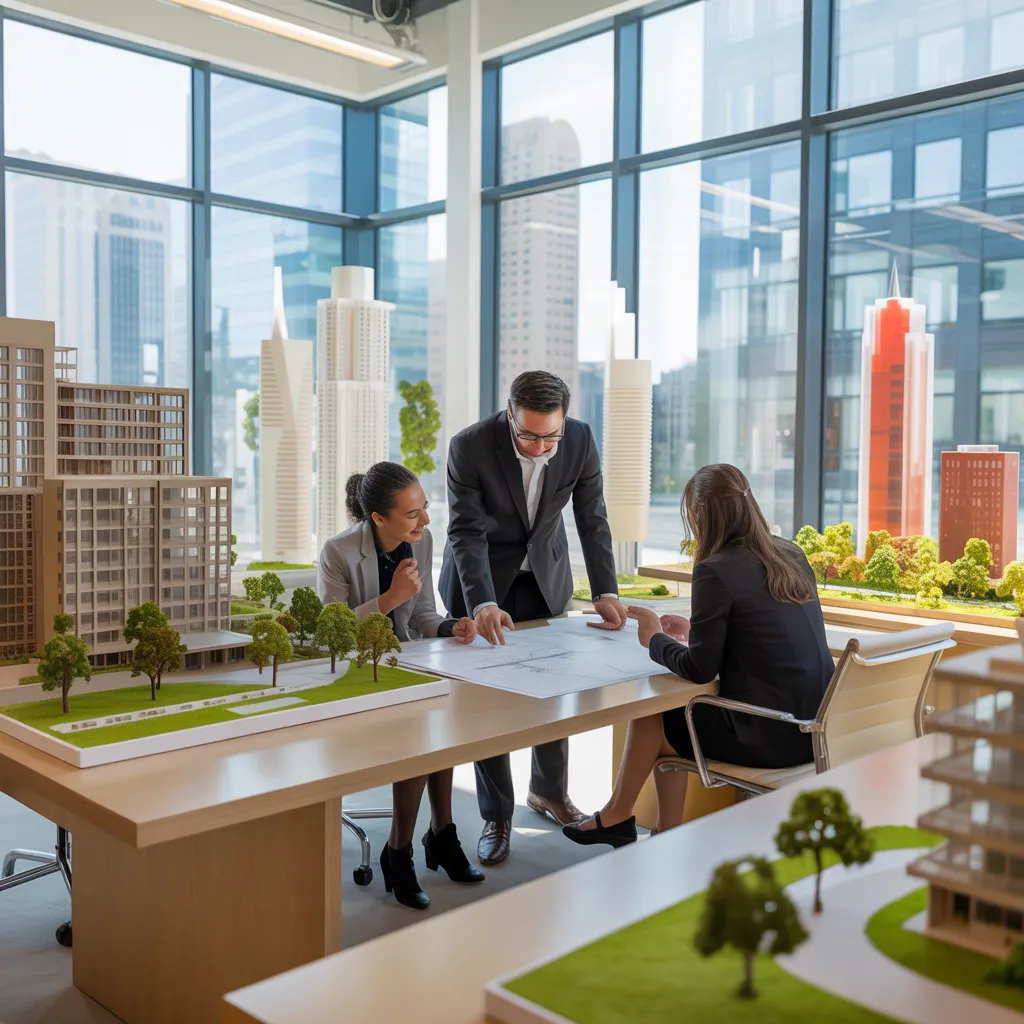
Exploring the Value of Expert Architectural Services
Revealing the value of expert architectural planning is fundamental for maximizing both functionality and aesthetic appeal in any endeavor. Expert architectural planning goes beyond surface-level beauty; it incorporates the principles of structural integrity, space planning, and environmental sustainability. By leveraging sophisticated methods and a deep understanding of construction materials, architects develop spaces that are not only visually captivating but also practical and efficient.
In addition, experienced architectural professionals take into account the unique context of every project, including climate, local regulations, and community requirements. This all-encompassing approach ensures that the design is not only innovative but also perfectly suited to its environment. They make use of state-of-the-art technology, such as 3D visualization, to give clients a precise visualization of the finished project. In the end, commissioning professional architectural design results in lasting advantages, enhancing both the experience of the occupants and the overall value of the property.
Key Benefits of Hiring an Architect for Your Design Project
Hiring an architect for a design project offers many benefits that improve both the process and the end result. Architects offer extensive knowledge, guaranteeing that projects meet local regulations and building codes, which can avoid expensive problems down the line. Their ability to prepare detailed plans and specifications helps streamline the construction process, limiting delays and miscommunication among project contractors.
Furthermore, architects are proficient in project management, directing various aspects of the design and construction phases. This supervision assures that schedules and financial plans are followed, providing clients with peace of mind. Furthermore, architects are capable of spotting potential challenges at the beginning of the design phase, enabling proactive problem-solving. Their familiarity with materials and construction methods can lead to innovative solutions that improve effectiveness and sustainability. Ultimately, working with an architect not only elevates the design project but also elevates the end-to-end experience for clients.
Elevating Aesthetics and Functionality Through Architectural Proficiency
Architecture expertise holds an essential role in enhancing both aesthetics and functionality in design projects. By utilizing creative design approaches, making the most of spatial layouts, and sourcing environmentally responsible materials, designers can develop spaces that are beautiful and highly functional. This strategy not only fulfills client requirements but also supports ecological awareness.
Creative Design Approaches
Groundbreaking design strategies reshape spaces by harmoniously combining visual appeal with utility. Architectural professionals leverage creative strategies to meet diverse client needs while enhancing visual appeal. By employing materials, colors, and forms that resonate with the environment, design professionals develop cohesive areas that express unique personalities. Modern technology, encompassing 3D design tools and virtual environments, facilitates detailed previews, empowering clients to explore designs before construction begins. Moreover, adopting green practices confirms that designs serve aesthetic purposes while supporting ecological preservation. By thoughtfully addressing illumination, volume, and movement, these approaches enhance user satisfaction and foster wellness. In the end, forward-thinking design cultivates a distinctive balance between functionality and elegance, enhancing the quality of residential and professional spaces.
Space Optimization Techniques
Optimizing space requires careful planning and design methods that improve both visual appeal and practicality. Expert architectural design firms utilize strategies like open-concept layouts, which remove redundant walls and promote a feeling of openness. Versatile furniture pieces can be incorporated to fulfill multiple roles, guaranteeing that every square foot is used efficiently. Moreover, deliberate arrangement of windows and mirrors can generate the perception of roomier spaces, welcoming natural light and boosting visual perspective. Designers also take into account traffic flow patterns, guaranteeing that navigation through a space is both seamless and practical. By prioritizing these optimization techniques, architects transform environments into harmonious areas that not only look appealing but also cater to the practical needs of their occupants.
Sustainable Material Choices
With a growing emphasis on sustainability, architects increasingly turn to eco-friendly materials that enhance both aesthetics and functionality. Utilizing materials such as reclaimed wood, bamboo, and recycled metal not only lowers the environmental footprint but also contributes a one-of-a-kind quality to environments. These decisions foster assessment a harmonious design, blending seamlessly with natural surroundings. Beyond this, integrating options such as low-VOC paints and energy-efficient glass boosts interior air quality and strengthens thermal efficiency, ultimately benefiting occupant health and comfort. Through the thoughtful choice of eco-friendly resources, designers craft aesthetically pleasing spaces that appeal to environmentally aware clients. This methodology promotes a greater sense of accountability in architecture, demonstrating that elegance and environmental responsibility go hand in hand, while addressing the pressing need for environmentally friendly solutions in modern design.
How Technology Is Transforming Modern Architectural Designs
Today, a multitude of technological advancements heavily affects architectural design, revolutionizing how structures are designed and built. Building Information Modeling (BIM) empowers architects to create precise 3D models, supporting better collaboration between stakeholders and ensuring precision across the design process. Furthermore, virtual reality (VR) and augmented reality (AR) allow clients to interact with spaces before they are built, making design decisions more thoughtful and deliberate.
Sustainability has further been strengthened through technological innovation, with energy simulation tools assisting architects in improving building efficiency by analyzing energy demands and environmental consequences. Furthermore, cutting-edge materials and building methods, such as additive manufacturing and prefabricated construction, streamline the construction process, lowering both time requirements and expenses. The use of drones and robotics for site surveys and inspections is growing, providing real-time data that improves accuracy and safety. Overall, technology not only fosters creative design but also ensures that architectural solutions align with contemporary standards of efficiency and sustainability.
Widespread Misconceptions Regarding Architectural Services
Many individuals harbor misunderstandings about architectural services, thinking that they are far too costly and that the role of architects is limited to building design. This narrow view fails to acknowledge the wide variety of services that architects offer, including project planning and professional consultation. Gaining clarity on these false assumptions is essential for appreciating the true value of architectural expertise.
Why Architectural Services Are So Expensive
The notion that architectural services are prohibitively expensive often stems from a lack of clarity about their benefits and extent. Numerous people associate elevated prices with being out of reach, ignoring the enduring value that professional design delivers. Architectural services extend well beyond simply drafting blueprints; they include thorough planning, adherence to regulations, and creative solutions. By investing in these services, homeowners frequently realize savings over time through better resource management, fewer building mistakes, and enhanced property worth. Moreover, the scale and detail of a project can considerably affect pricing, making it essential to understand that a well-planned design can lead to substantial financial savings. Ultimately, considering architectural services as a worthwhile investment rather than a cost can shift perspectives and deepen recognition of their value.
Architects Exclusively Design Buildings
One widespread myth is that architects only concentrate on constructing buildings. The fact is, their proficiency goes much further than basic building design. Architects participate in urban planning, landscape architecture, and interior environments, creating balance among different components. They work closely with clients to develop practical spaces that improve everyday living. Furthermore, architects participate in sustainability initiatives, incorporating environmentally conscious methods into their work. They often work on public spaces, parks, and community projects, addressing social needs and improving urban infrastructure. In addition, architects offer essential guidance during renovation and restoration endeavors, maintaining historical value while meeting contemporary requirements. This diverse role demonstrates their vital contribution to molding not merely buildings, but complete communities and landscapes.
Finding the Perfect Architect for Your Design Goals
How can someone ensure that the selected architect is suited to their particular design goals? Choosing the ideal architect requires thorough assessment of key elements. Initially, reviewing an architect's portfolio can reveal details about their creative style and skill set. This approach enables future clients assess whether the architect's prior designs resonates with their individual design sensibilities.
Furthermore, effective communication is vital. Engaging in initial consultations allows clients to express their ideas and expectations clearly. The architect's willingness to listen attentively and respond considerately reflects their commitment to comprehending the client's vision.
Additionally, checking references and client testimonials can highlight the architect's dependability and professional standards. It is important to ensure that the architect has expertise that aligns with the project's scope, whether residential or commercial. Ultimately, a perfectly suited architect can bring a vision to life, making the hiring process pivotal for ensuring positive architectural results.
Triumphs in Architectural Design
Transforming visions into reality, compelling stories of architectural achievement illustrate the remarkable impact of thoughtful planning and creative execution. One remarkable case is the transformation of a century-old warehouse into a dynamic community space. Skilled architects thoughtfully maintained original features while introducing modern-day facilities, creating a space that promotes teamwork and meaningful connection.
Another inspiring case featured a sustainable living space initiative that incorporated environmentally responsible materials and forward-thinking design approaches. This strategy not only minimized environmental impact but also created a harmonious living environment, defining a new precedent for upcoming projects.
In urban landscapes, the transformation of overlooked locations into lush green spaces highlights how purposeful design can enhance community well-being. Each story reflects a dedication to elevating design and usability, showing how expert architectural solutions can elevate spaces and enhance everyday living. These successes serve as a demonstration of the transformative power of thoughtful design in crafting spaces for future generations.
Frequently Asked Questions
What Credentials Should I Seek in an Architect?
When looking for an architect, one should prioritize qualifications such as an appropriate academic degree, professional licensure, portfolio diversity, strong communication skills, and expertise in the specific project type to secure seamless cooperation and successful project completion.
What Is the Typical Duration of the Architectural Design Process?
The architectural design process generally requires anywhere from three to six months, depending on the complexity of the project, client requirements, and regulatory approvals. Strong communication and teamwork can expedite this timeline, guaranteeing the prompt delivery of the final design.
What Are the Expenses Involved in Hiring an Architect?
The fees associated with employing an architect usually span from 5% to 15% of the complete project budget, based on the complexity and scope of the project. Extra charges may occur for consultations, revisions, and specialized services during the design process.
Can Architects Help With Permits and Zoning Regulations?
Architects are able to help with permits and zoning regulations. Their knowledge ensures adherence to local laws, expediting the application process and decreasing potential setbacks, ultimately facilitating the successful realization of a project.
What Is the Best Way to Communicate My Vision to an Architect?
To interact successfully with an architect, it is important to prepare visual references, outline particular needs, address personal preferences, and stay receptive to professional recommendations. Transparency and cooperation encourage meaningful discussion, guaranteeing that the design vision matches professional knowledge.